For patients and families
Your operation, planned on a model of you.
Your surgeon has asked us to turn your scan into a 3D model of your own body, so the operation can be planned, and sometimes rehearsed, before you reach theatre.
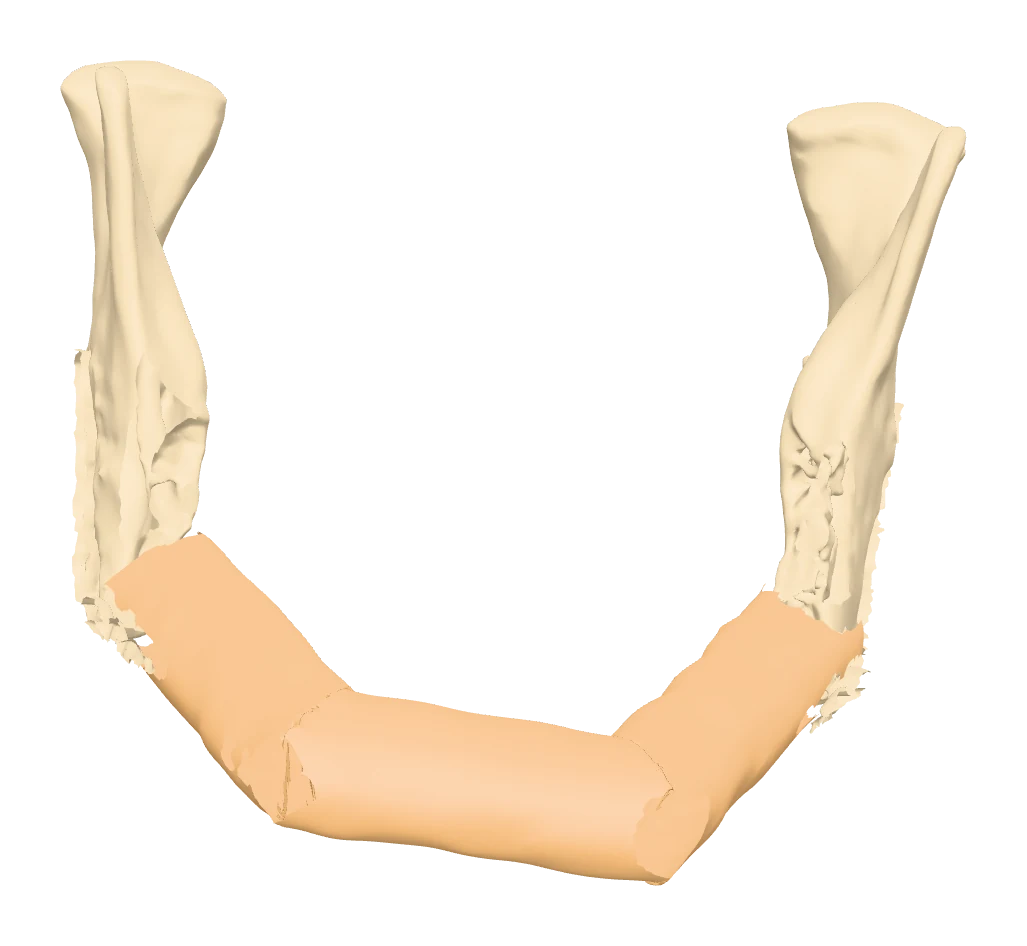
What happens
From your scan to your operation, in four steps.
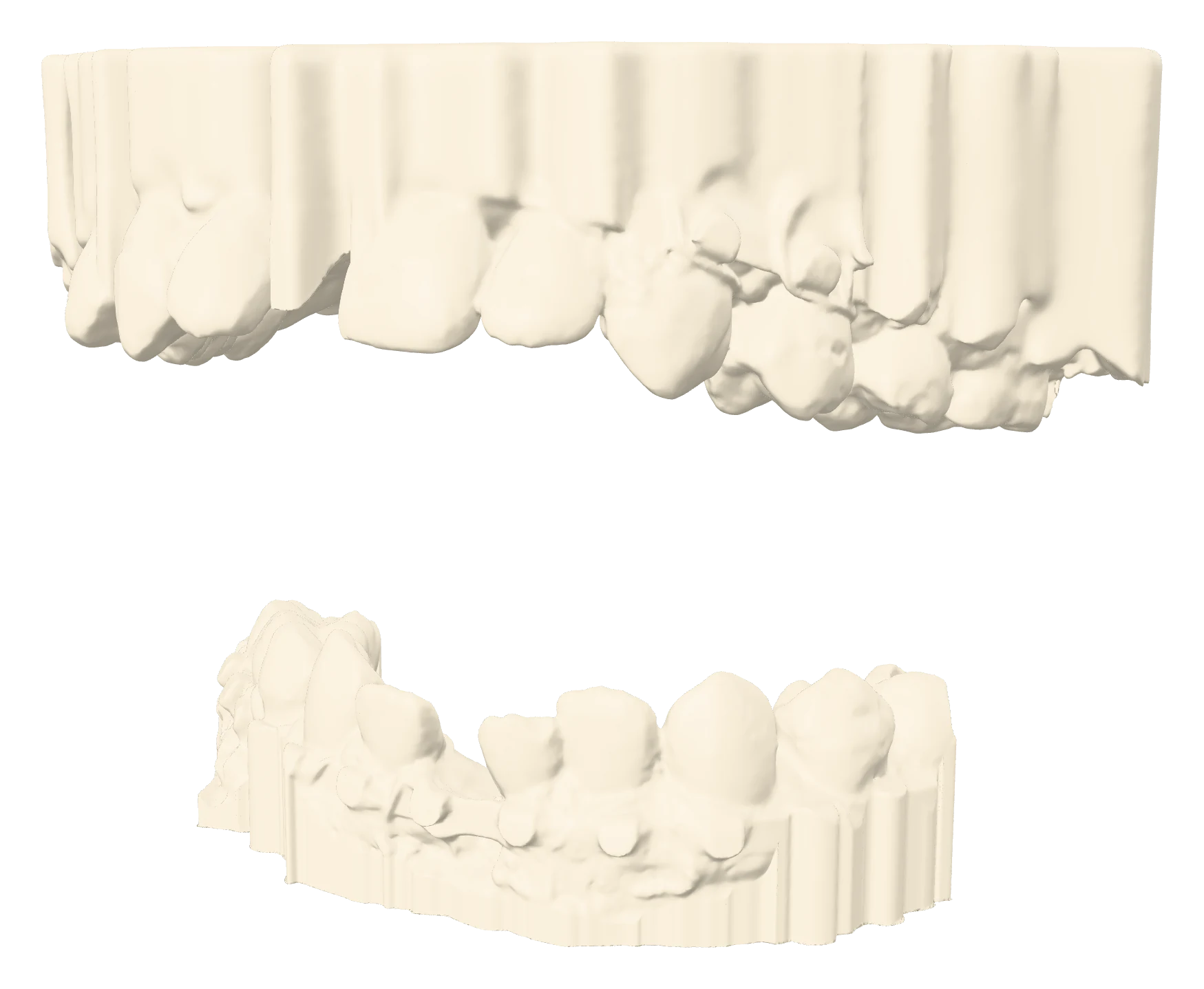

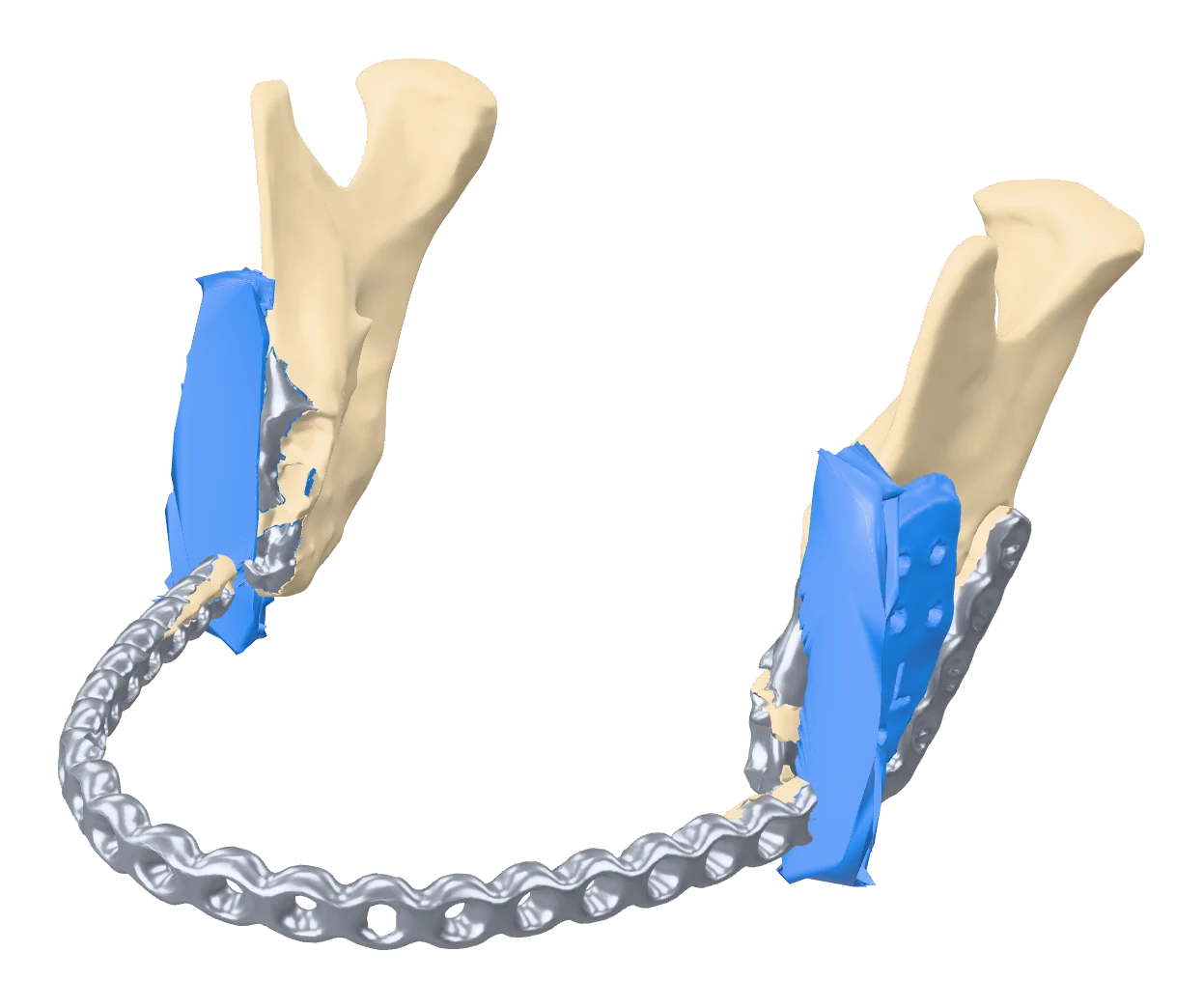
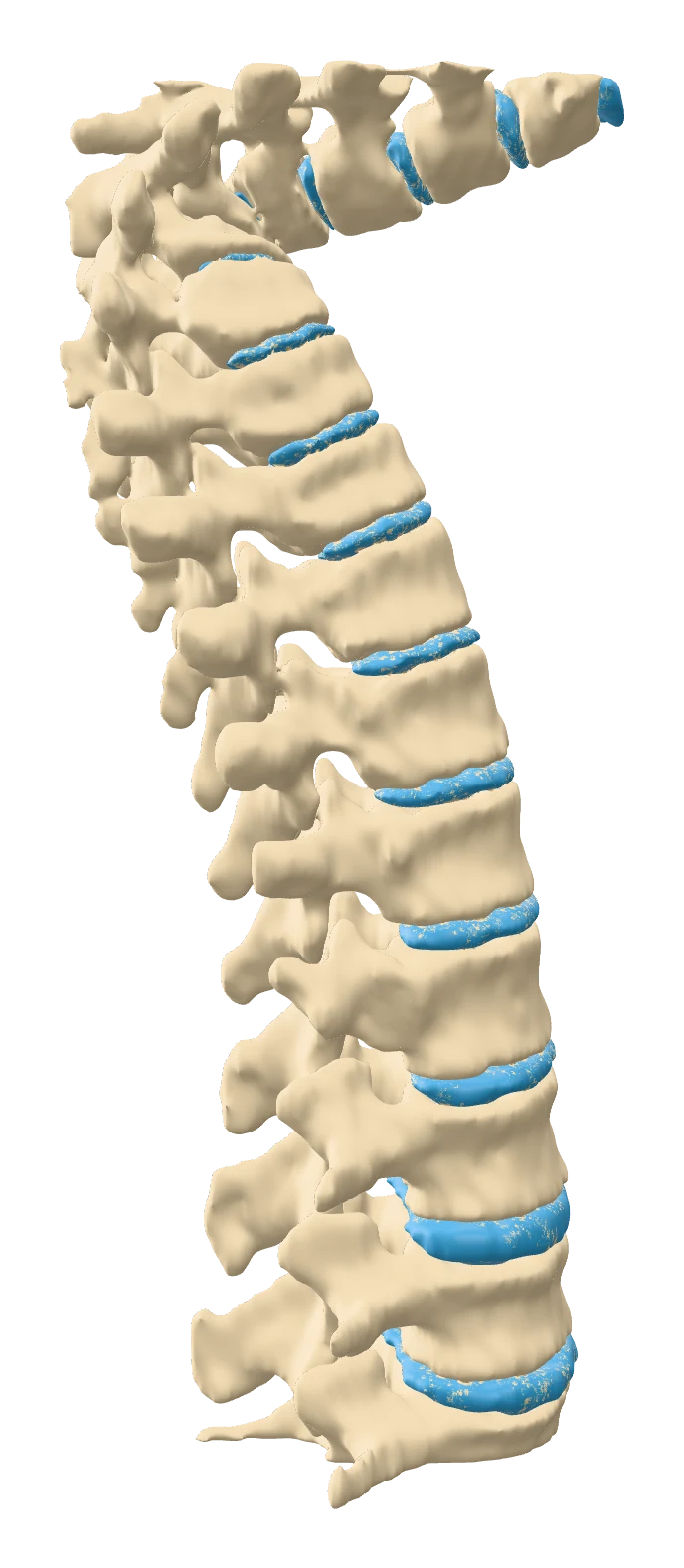
Why it helps you
Fewer surprises in theatre.
A shorter operation
Planning ahead has been shown to shorten operations, which means less time under anaesthetic.
A more precise result
In jaw reconstruction, planned operations have come closer to the intended shape than operations done freehand.
A clearer conversation
Many patients understand their operation better when they can see, or hold, a model of it.
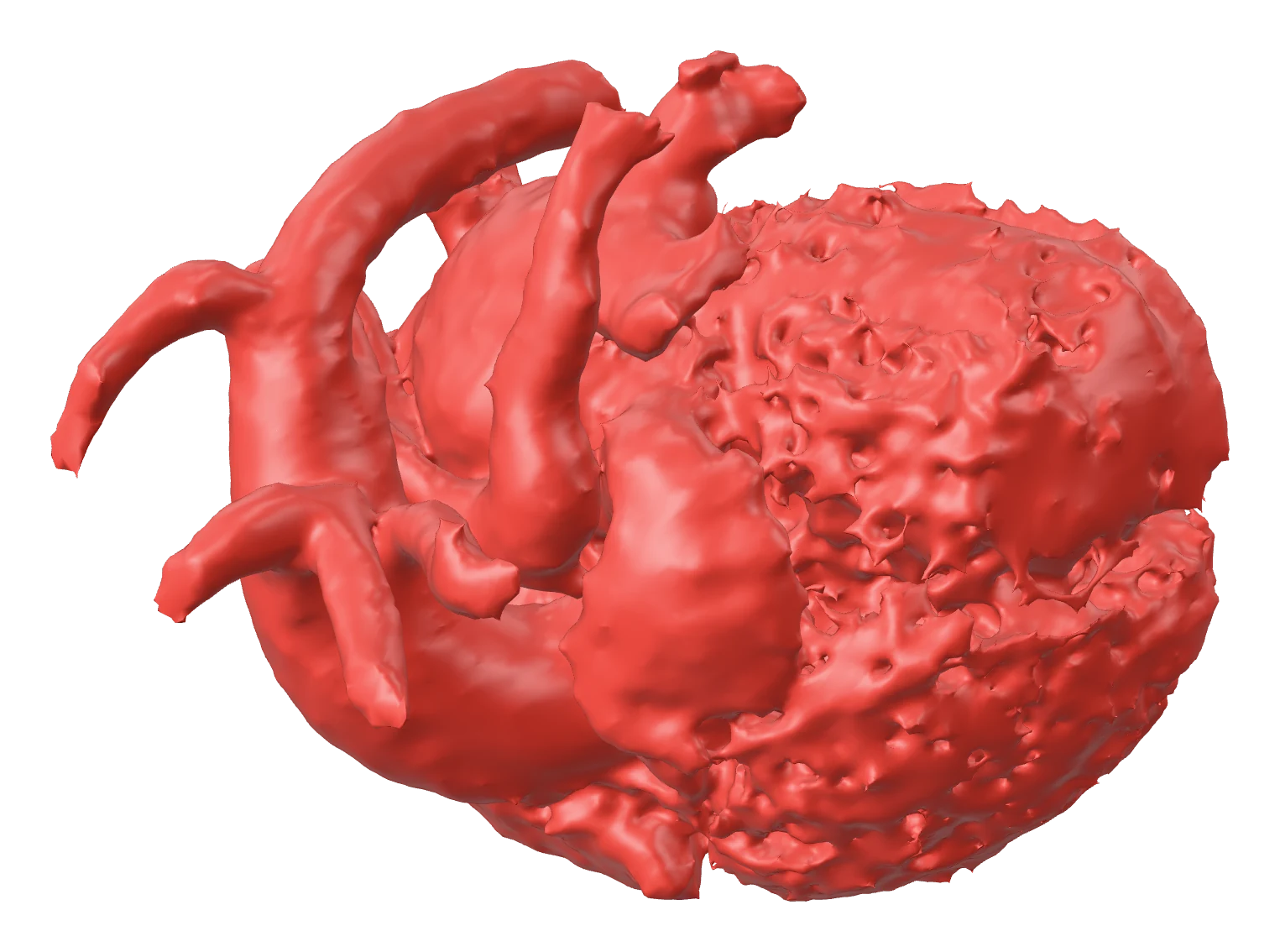
Seeing your model
Ask to see it.
Your model is made at true size from your own scan. If you would like to see it before your operation, ask your surgeon. For children, parents often find a model the easiest way to understand what the operation will do.
Your information stays protected
When we receive your scan, your name is replaced with a case number. Your scan is handled under Kenya's Data Protection Act, 2019 and the Digital Health Act, 2023, and is used only for your care unless you agree otherwise.
Cost and SHA
Many of the operations we help plan are covered by SHA's surgical package. Where planning or printing is charged, it appears on your hospital bill as a separate item, agreed before any work starts. Ask the hospital how it is billed for your operation.
Common questions
What patients and families ask us.
Does anything go inside my body?
Most of what we make is used by your surgical team outside your body, to plan and to guide the operation. If a guide is used during surgery, it is made from medical-grade, biocompatible material and sterilised before use. Your surgeon will explain exactly what will be used in your case.
Do I need another scan?
Usually not. We work from the scan your doctors have already ordered. Occasionally a surgeon asks for a scan done in a particular way; they will tell you if so.
Will this delay my operation?
No. Planning is done in days, around the date your surgeon has set.
Who sees my scan?
Your surgical team and the planning team working on your case. Your name is removed when we receive the scan, and it is not shared outside your care without your agreement.
Can I say no?
Yes. Planning in 3D is a tool your surgeon chooses to use. If you have concerns, talk to your surgeon about them.
Other questions? Ask your surgeon first. You can also reach us at cto@atoa-med.com.